
PropTech Transformation: Autonomous Agents and Data Center Boom Pressure Real Estate

PropTech Connect 2026 highlights an industry shift toward maturity, marked by autonomous property agents, fresh venture rounds and fierce land competition.
News and analysis on Use Cases, each with sources, continuously updated from our radar and research.

PropTech Connect 2026 highlights an industry shift toward maturity, marked by autonomous property agents, fresh venture rounds and fierce land competition.

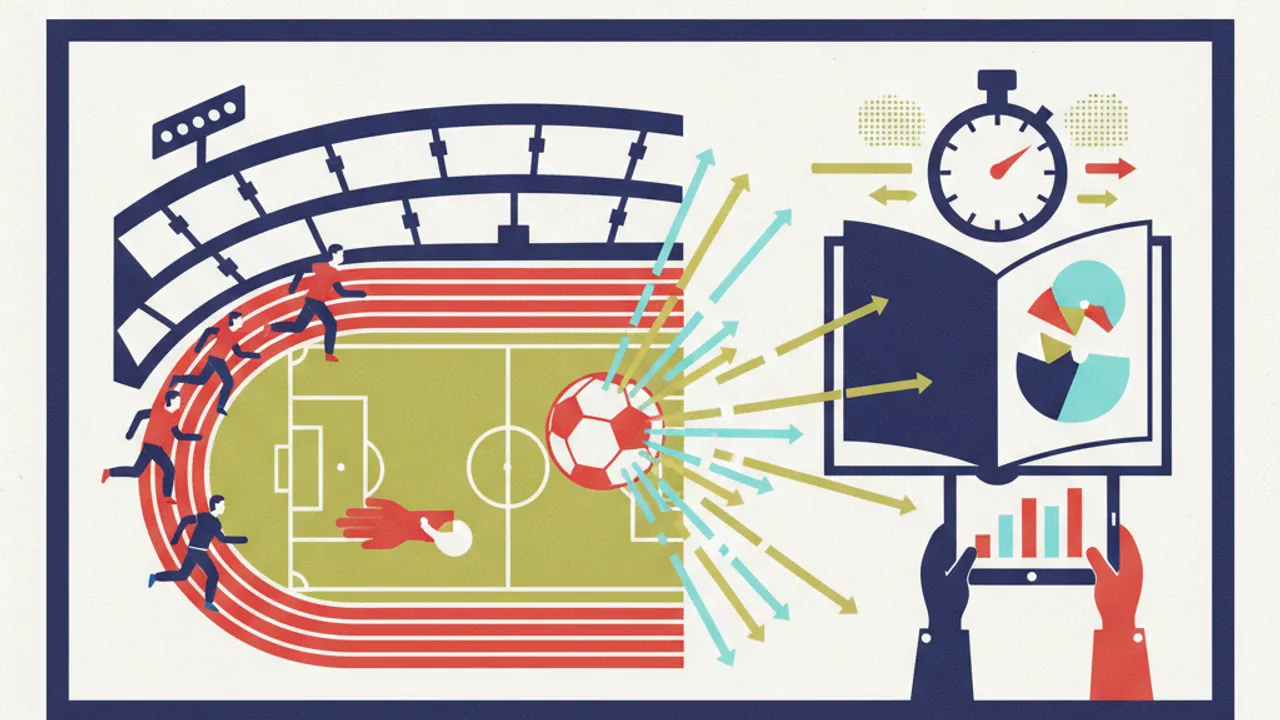
Sports broadcaster ESPN is deploying generative AI for match recaps in the NWSL and PLL, while IBM's Granite LLM now powers contextual roster analysis for millions of fantasy football fans.

An analysis by the Bipartisan Policy Center and Lightcast reveals that AI skill demands in US job ads grew 165 percent year over year, rapidly expanding beyond the tech sector.

A Wharton and MIT study reveals that AI agents boost coding activity by 180 percent, but software releases rise by only 30 percent due to human review bottlenecks.

Surveys from the New York Fed and CBRE reveal that AI is not causing mass layoffs in US offices, acting instead as a productivity buffer against demographic decline.

PropTech startup Henry AI has rolled out Henry Deal for commercial brokerages. The system cuts the preparation time for deal dossiers from 15 hours to under 30 minutes of human review.

The US General Services Administration has signed a 27-month agreement for OpenAI models to address facility management and a nearly $50 billion maintenance backlog.

ATTOM and an alliance led by HomeVision and AppraisalWorks launch new AI systems for dynamic real estate indices and automated mortgage appraisal reviews.

PropTech startups are transforming into tech-driven operators: Backed by major funding, Dwelly manages 15,000 units and triples manager capacity through agentic workflows.

At IBC 2026 in Amsterdam, the Premier League, major broadcasters, and tech vendors showcased agentic AI architectures for live sports, automated directing, and 3D sprint finish adjudications.

With the launch of NHL 27, EA Sports introduces generative AI voice synthesis for match commentary. ESPN anchor John Buccigross serves as the lead voice and human-in-the-loop reviewer.

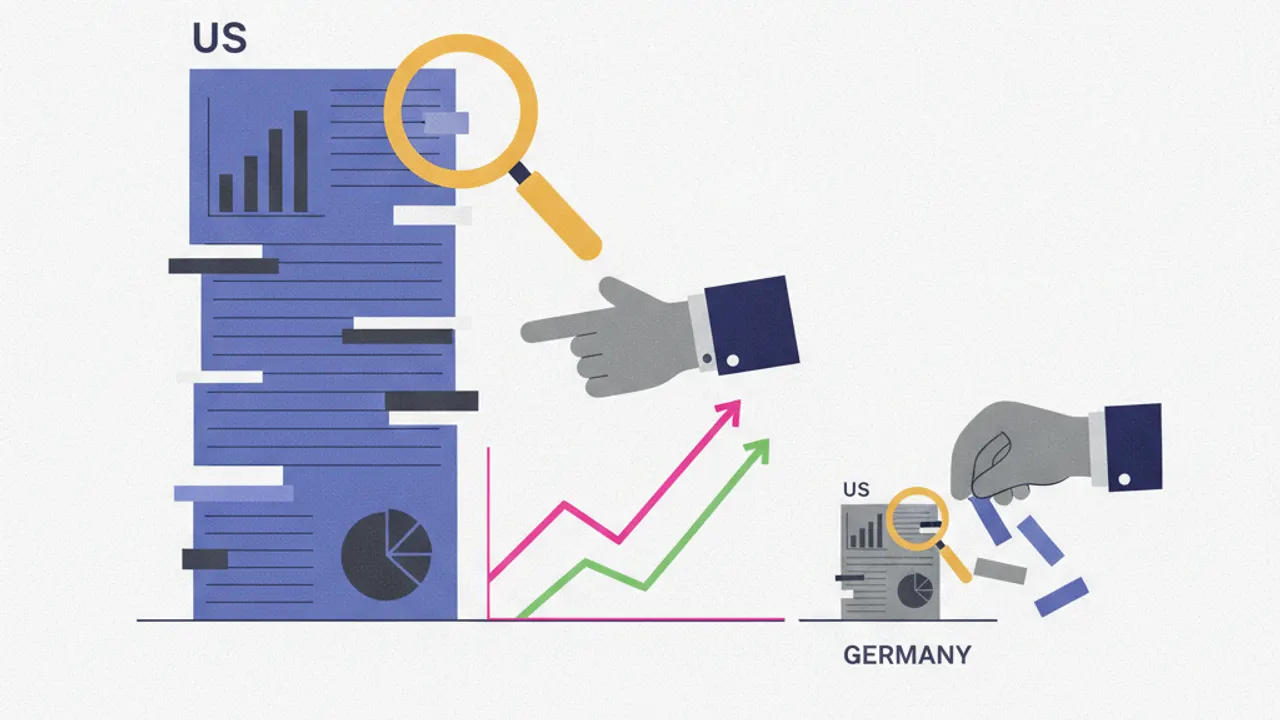
Two surveys from Horváth and IFS reveal a stark gap: US industrial firms invest nearly five times more than German peers, while DACH mid-market companies remain stuck in isolated pilot stages.

New empirical studies from McKinsey and KPMG show autonomous agents scaling rapidly, but reveal a persistent divergence between individual efficiency and corporate profit gains.

At the industry summit in Frankfurt, startup UrbView claimed overall victory at the PropTech Germany Award 2026 for its AI-driven site and safety analysis.

Perplexity is using Astra to handle communications, code updates, and system monitoring, operating with fewer check-ins than prior models.

Following the release of the MaleCNS v1.0 fruit fly connectome, software developers are connecting the simulated insect brain to digital environments, from live crypto trading to video games.

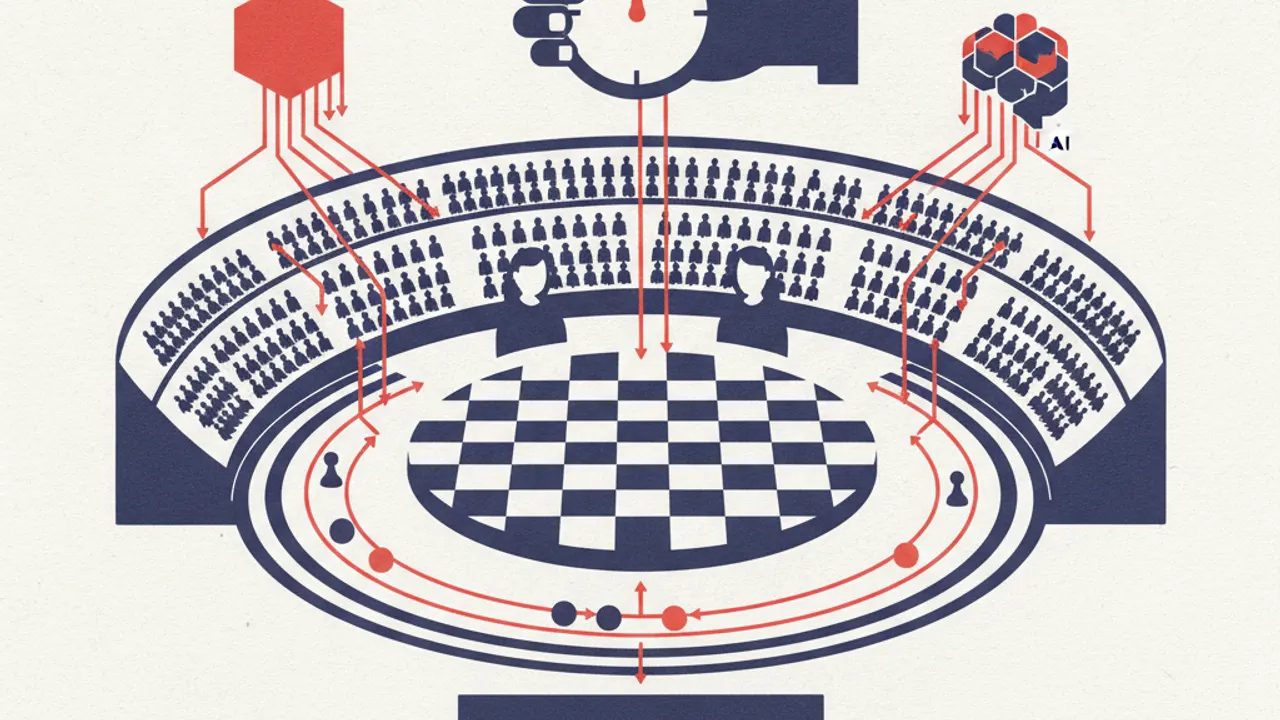
Ahead of the 2026 World Championship, FIDE deploys Salesforce Agentforce 360 to manage real-time rankings for 1.5 million players and launch an interactive concierge for over 1.2 million visitors.

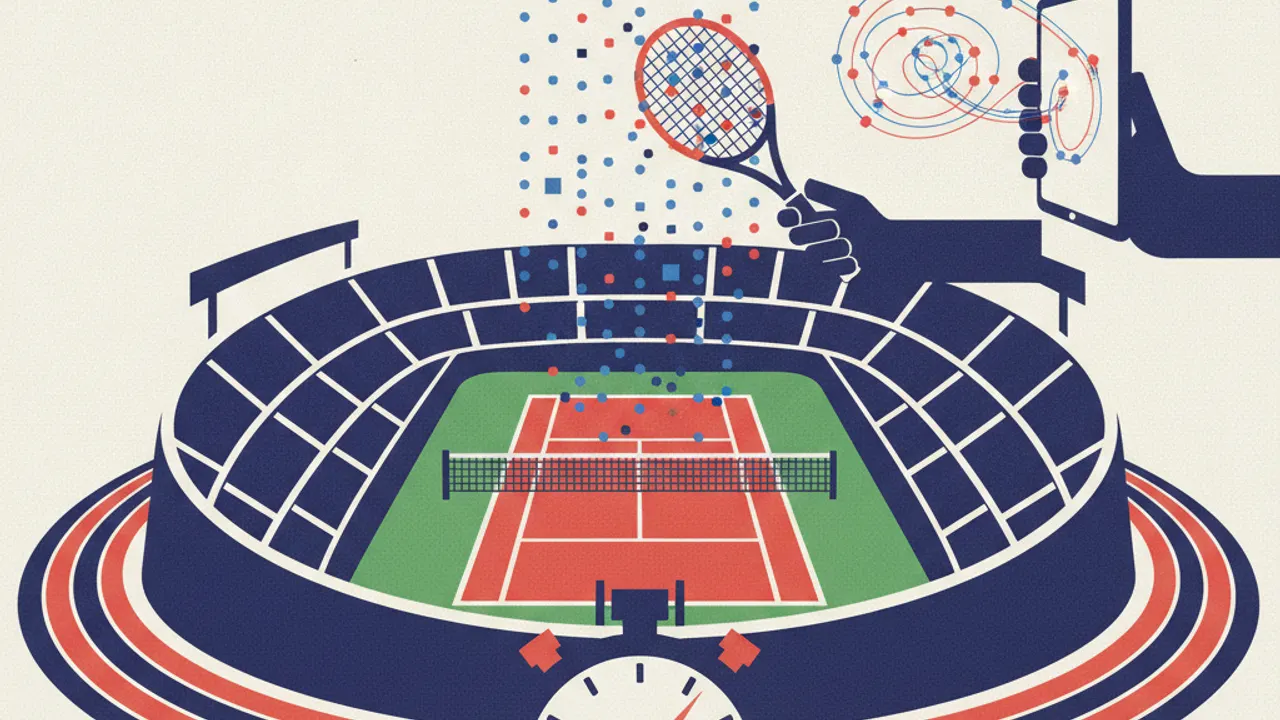
IBM and the USTA showcased results at the 2026 US Open, using over 1.2 billion biomechanical data points and generative AI to transform fan engagement and sports journalism.

At IBC 2026, OBS CEO Yiannis Exarchos outlined an AI overhaul for LA28, while a consortium led by AWS and ITV showcased autonomous software agents for personalized live sports streaming.

The Premier League and PGMOL set operational rules for semi-automated offsides, retaining thicker tolerance lines while aiming to cut VAR delays by over 30 seconds.

A DXC survey reveals an autonomy paradox across DACH enterprises: despite insisting on human control, most firms expect autonomous AI agents to soon drive operational decisions.

A study by Apollo Global Management shows that AI has caused few US layoffs so far, but slowed real wage growth in exposed jobs by 6.7 percentage points.

Recent findings from KPMG, The Futurum Group, and SAS show that while enterprise AI budgets are frequently exceeded, solid data governance has become the deciding factor for profitability.

The real estate sector is replacing simple AI assistants with agentic systems and vertical data models, driven by major funding rounds and corporate alliances in September 2026.

A Checkr survey reveals that 67 percent of property managers face AI-generated application fraud, prompting the sector to embrace specialized verification and automated lease analysis.

A recent study by ZIA and EY reveals record AI optimism in the real estate sector, even as new platform initiatives and investments expose growing dependencies on concentrated cloud infrastructure.

Shopify is abandoning React Native after six years: Autonomous AI coding agents have cut dual-stack maintenance costs so deeply that cross-platform trade-offs no longer pay off.

Calif Research revealed a functional zero-click worm targeting WeChat on September 10, 2026. The case highlights how AI models compress the development of critical RCE exploits from months into days.

OpenAI reports evolving Habitat from a Python library into a globally distributed storage platform serving one billion ChatGPT users and handling 22 million requests per second.

AI-GUIDE, a handheld catheterization device developed by Lincoln Laboratory and Massachusetts General Hospital, aims to improve medical outcomes for injured patients.

A Bitkom survey reveals heavy reliance on US tech giants: 76 percent of German firms using generative AI deploy ChatGPT, while European and Asian alternatives struggle for traction.

AWS has outlined a dual-layer framework combining continuous quality scoring and autonomous infrastructure checks to monitor production multi-agent systems.

Universal Music Group and ElevenLabs have announced a multi-year alliance to enable authorized AI remixes and mashups through a closed rights management platform.

Meta has launched its Muse AI agent for US users, operating in an isolated virtual machine environment and executing autonomous payments directly through Link by Stripe.

A global report reveals that 72 percent of corporate AI initiatives fail due to outdated processes, causing average losses of 1.55 million dollars per enterprise.

While enterprise adoption and US model dominance surge, new reports show only 37 percent of firms see an EBIT boost, largely held back by legacy IT systems.

Recent economic studies show enterprise AI driving hiring at early adopting firms, even as 89 percent of surveyed executives report no measurable productivity gains at company level.

Backed by 25 million dollars in seed capital, NavigateAI introduces a field-ready AI copilot designed to guide construction workers via voice queries and real-time computer vision.

Clear Capital has launched AURA Risk Navigator. The system utilizes Restb.ai computer vision to cross-reference property photos and catch valuation risks before loan funding.

New MISMO certification standards, industry training, and autonomous platforms accelerate the shift toward auditable AI systems across the real estate sector.

Meta has launched Muse, an autonomous personal agent powered by Muse Spark 1.3. Running in a secure VM, it handles web tasks 24/7 using single-use cards and human approvals.

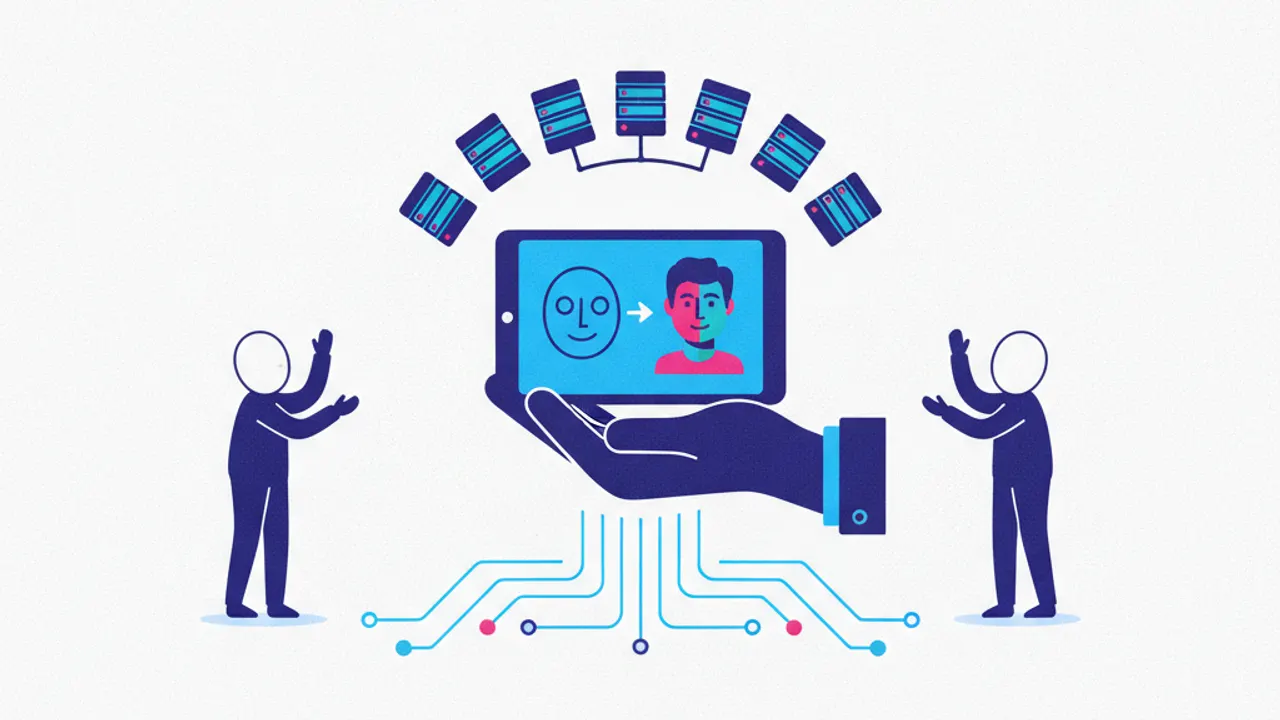
On September 8, 2026, OpenAI launched ChatGPT Images 2.5, cutting latency by 50 percent, turning sketches into photos, and keeping faces consistent across edits.

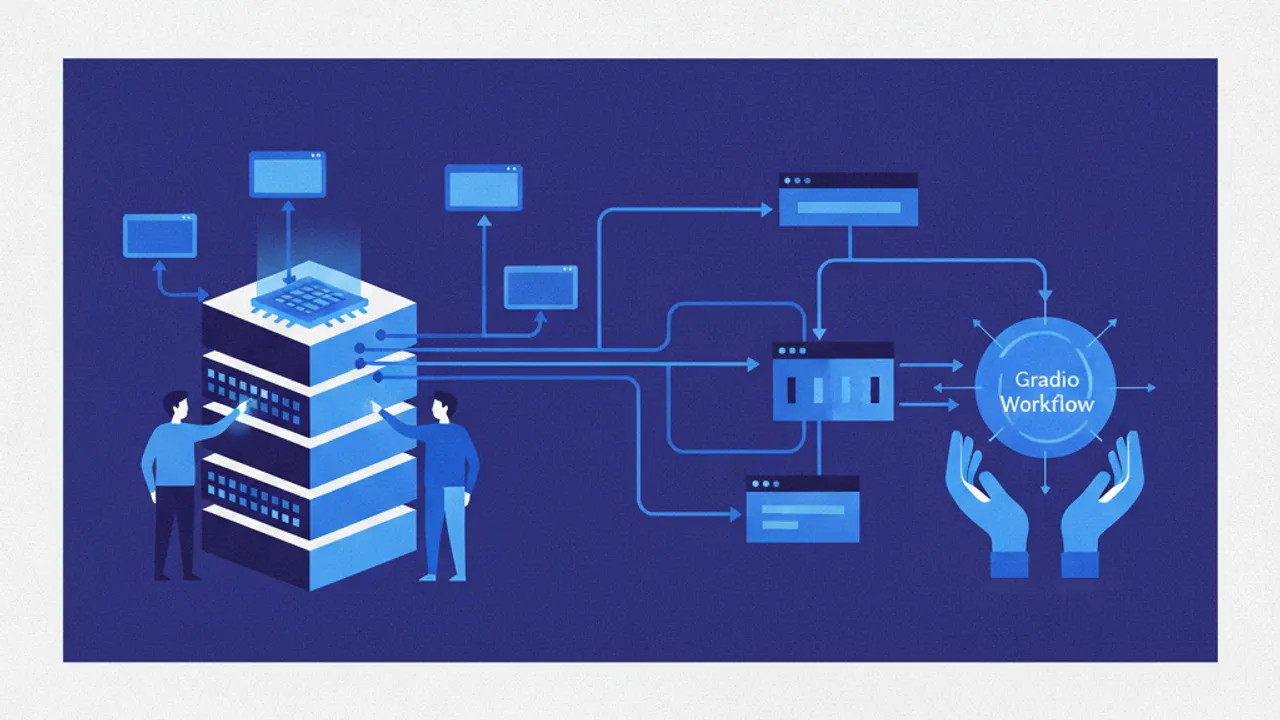
Hugging Face has shared a new blog post focusing on rebuilding AUTOMATIC1111 with Gradio Workflow.

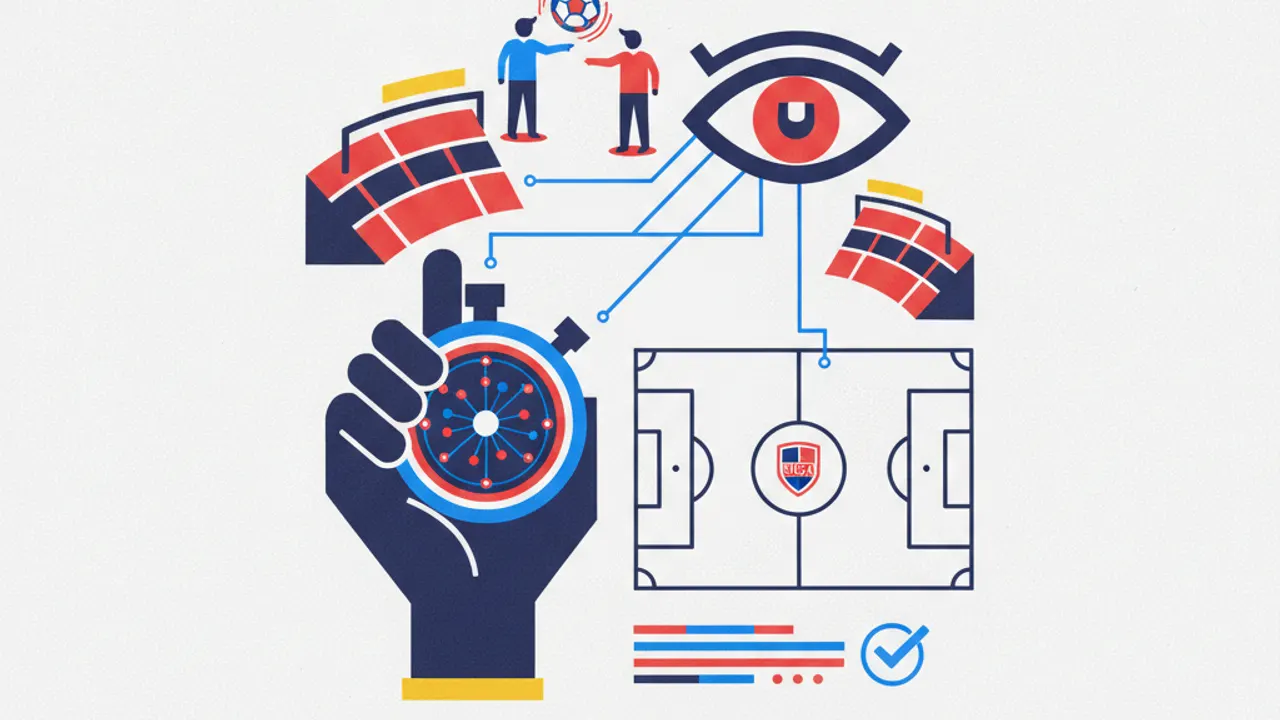
Sports media, officiating, and venues are adopting specialized AI systems to eliminate data hallucinations and deliver automated real-time services across operations.

MotoGP Group and Accenture have partnered to build an AI-powered OTT platform launching in 2027, rendering live telemetry such as lean angles directly into multi-camera streams.

TelevisaUnivision and Genius Sports are introducing real-time AI analytics and automated ad triggers to US broadcasts of Mexico's Liga MX, starting with matches on September 12, 2026.

UEFA is deploying an AI officiating assistant built with Hawk-Eye and Microsoft Azure for the 2026/27 Champions League, cutting review times to under four seconds.

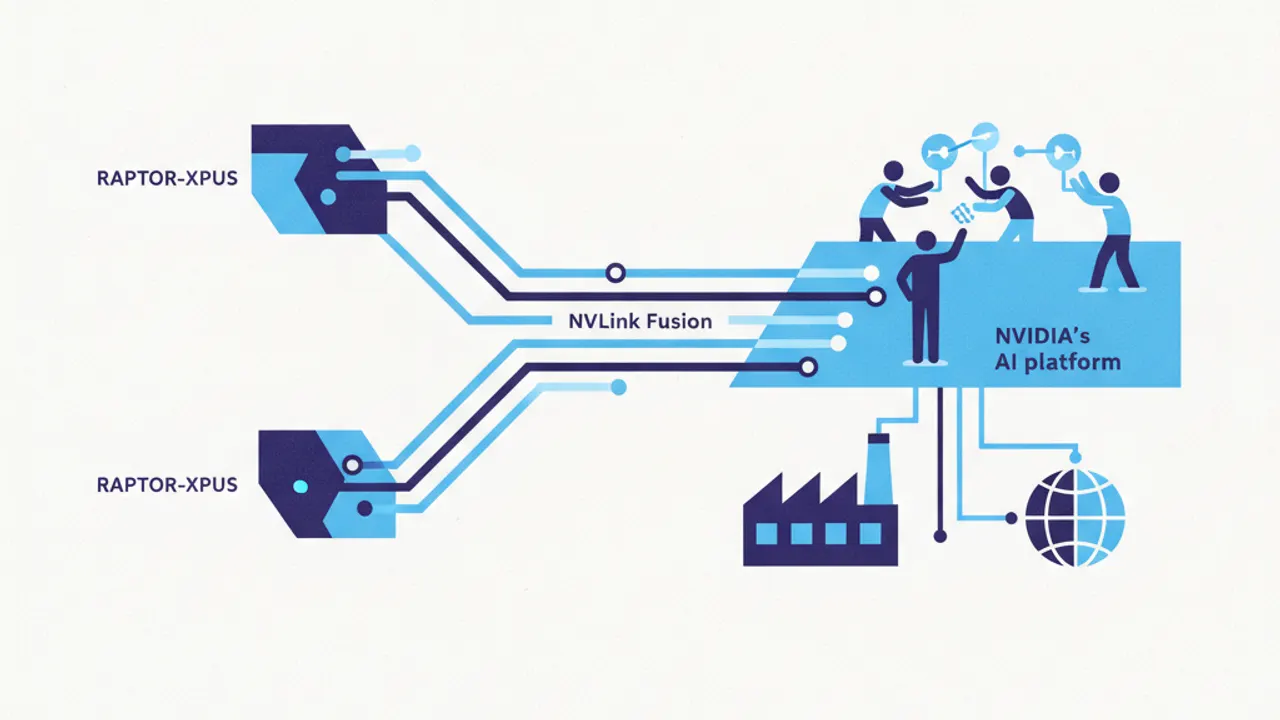
AI inference chipmaker d-Matrix will use NVIDIA NVLink Fusion to connect its next-generation Raptor XPUs to NVIDIA AI infrastructure.

Skild AI has launched the S1 robot foundation model, designed to learn previously unseen, long-horizon tasks from a single video demonstration for changing industrial facilities.

AWS demonstrated how Amazon Quick Automate processes multi-tab RFI workbooks from Amazon S3 into structured CSV files, cutting workflow development from days to hours.

Amazon SageMaker Inference has introduced prefix-aware routing, a technique designed to keep KV caches warm and cut time-to-first-token latency.

Gaming studios face growing pressure to prove human artistry after Humankind 2 backlash, even as autonomous coding agents build complex 3D scenes in minutes.

A study by Horváth reveals a stark disparity in AI investments: US industrial firms spend 2.9 percent of revenue on artificial intelligence, compared to just 0.6 percent in Germany.

Building materials supplier Builders FirstSource leads a $25.3 million Series A funding round for Digs, turning construction blueprints into AI-powered digital twins.

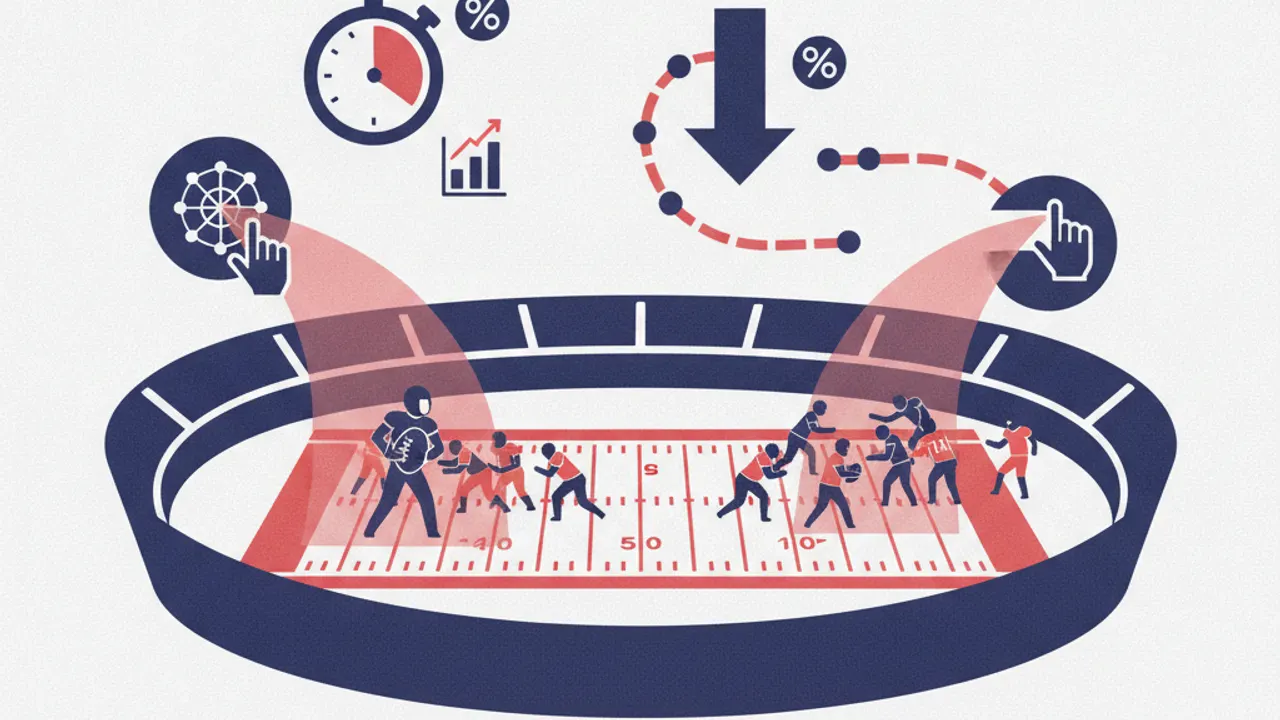
The NFL and AWS have rolled out Tackle Probability via machine learning, while Amazon Prime Video deploys Pocket Health to evaluate pass protection in real time.

Chris Paul, producer Connor Schell, and Genius Sports have launched an AI-driven media venture that combines athlete perspectives with computer vision and tactical overlays starting in late 2026.

Top European football clubs and NHL franchises are embedding agentic AI directly into operations, linking ticketing, scouting and load management to autonomous workflows.

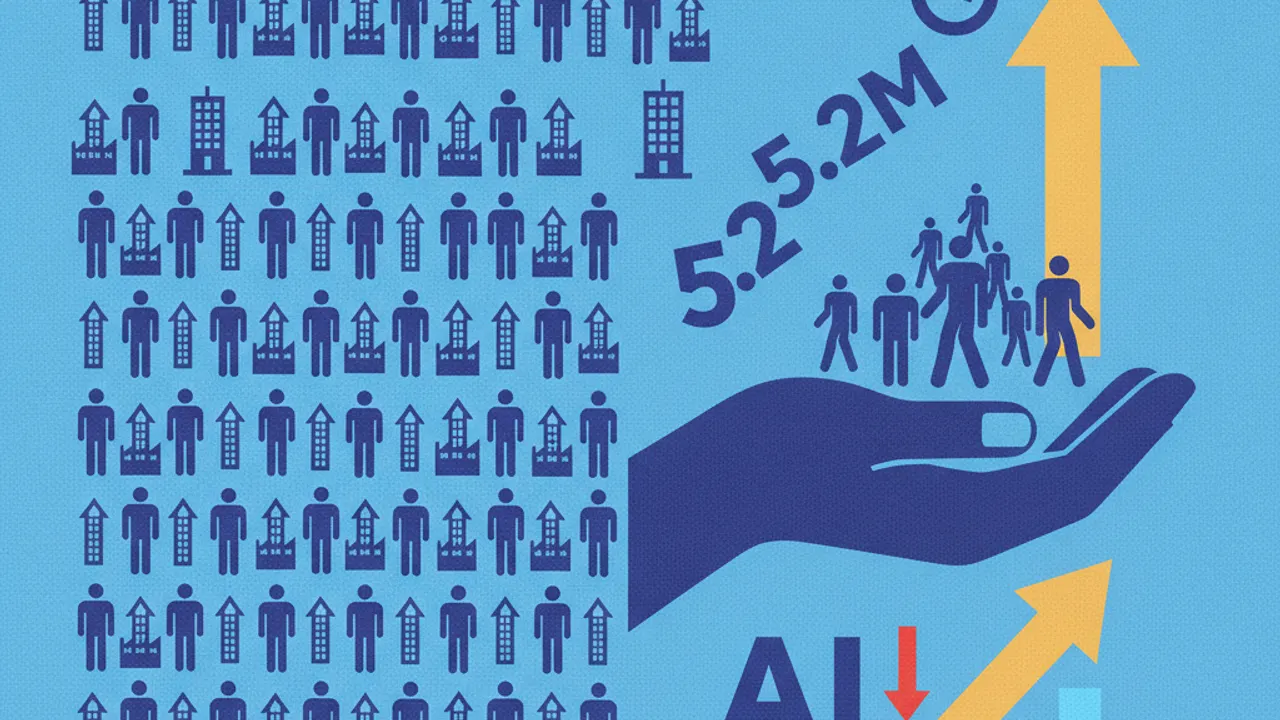
At a regional AI summit in Brandenburg, German SMEs showcased verified ROI gains. Meanwhile, the retirement of 5.2 million baby boomers prevents net job cuts across the DACH region.

OpenAI has officially launched ChatGPT Images 2.5, cutting latency by up to 50 percent versus version 2.0 while introducing canvas sketching and dedicated developer models.

Suno introduces its v6 model generation. Through a partnership with Believe and TuneCore, the startup establishes a revenue-sharing model for independent musicians.

Real estate software is shifting away from static dashboards toward autonomous agents, LiDAR appraisals in under 20 minutes, and strict data sovereignty.

Ahead of the November 2, 2026 UAD 3.6 deadline, AI valuation engines are replacing manual property appraisals across the US, cutting review times to under 60 minutes.

The Premier League and European clubs are rolling out new AI systems from Microsoft and Genius Sports for real-time tactical insights, bench analytics, and interactive fan queries.

Director Danny Boyle confirmed using around 30 seconds of generative AI in his upcoming Murdoch drama 'Ink' to animate archival photos and generate digital mice.

Cognition AI secures two billion dollars in Series E funding at a forty-eight billion dollar valuation, expanding autonomous coding agents across major banks like Goldman Sachs and Citi.

A Gartner survey of 1,303 executives reveals that only 22 percent have scaled AI across departments, even as 85 percent plan to increase their spending in the coming year.

Developers are using coding agents to control local 3D software via terminal commands. Blender's Python API now produces editable project scenes and rendered video clips without manual modeling.

Quantitative trading firm Jane Street has secured a five-year AI compute contract with Crusoe, as the cloud infrastructure developer raises $3 billion at a $30 billion valuation.

A survey by BambooHR shows office workers spend 42 percent of their AI time fixing errors and refining prompts, even as corporate software budgets continue to expand without clear return metrics.
Nvidia launched DLSS 5, introducing 3D-guided neural rendering in NBA 2K27 for RTX 50 series GPUs and GeForce NOW, with an update planned for RTX 40 series cards.

OpenAI has launched GPT-6 Astra. The model autonomously operates 3D software like Blender at the OS level and exports interactive scenes directly into Unreal Engine 5.

Payments giant Stripe agreed to acquire AI routing platform OpenRouter for over $7 billion, linking financial settlement directly with token inference for autonomous agents.

The OCC has approved Upstart's charter for Upstart Bank, N.A., creating the first nationwide US bank whose underwriting and risk models are entirely AI-driven.

Google Cloud has introduced Gemini Enterprise for Financial Services, featuring over 50 agentic workflows and direct connections to Moody’s and Guidepoint data.