
PropTech Transformation: Autonomous Agents and Data Center Boom Pressure Real Estate
PropTech Connect 2026 highlights an industry shift toward maturity, marked by autonomous property agents, fresh venture rounds and fierce land competition.
News and analysis on Generative AI, each with sources, continuously updated from our radar and research.

PropTech Connect 2026 highlights an industry shift toward maturity, marked by autonomous property agents, fresh venture rounds and fierce land competition.

A 27-minute test run by Simon Willison with GPT-6 Astra exposes how context compaction wipes out executed Python code, creating severe auditability risks for autonomous agent workflows.

Sports broadcaster ESPN is deploying generative AI for match recaps in the NWSL and PLL, while IBM's Granite LLM now powers contextual roster analysis for millions of fantasy football fans.

An analysis by the Bipartisan Policy Center and Lightcast reveals that AI skill demands in US job ads grew 165 percent year over year, rapidly expanding beyond the tech sector.

A Wharton and MIT study reveals that AI agents boost coding activity by 180 percent, but software releases rise by only 30 percent due to human review bottlenecks.

PropTech startup Henry AI has rolled out Henry Deal for commercial brokerages. The system cuts the preparation time for deal dossiers from 15 hours to under 30 minutes of human review.

DeepSeek has launched DeepSeek-V4.1-Flash, cutting memory demands and API costs with an asymmetric MoE architecture while phasing out its previous flagship model DeepSeek-V4-Pro.

At IBC 2026 in Amsterdam, the Premier League, major broadcasters, and tech vendors showcased agentic AI architectures for live sports, automated directing, and 3D sprint finish adjudications.

With the launch of NHL 27, EA Sports introduces generative AI voice synthesis for match commentary. ESPN anchor John Buccigross serves as the lead voice and human-in-the-loop reviewer.

According to Allianz Trade, hidden AI infrastructure commitments of US hyperscalers reached $2.6 trillion, lifting their true debt burden by nearly 150 percent.

IBM and the USTA showcased results at the 2026 US Open, using over 1.2 billion biomechanical data points and generative AI to transform fan engagement and sports journalism.

At IBC 2026, OBS CEO Yiannis Exarchos outlined an AI overhaul for LA28, while a consortium led by AWS and ITV showcased autonomous software agents for personalized live sports streaming.

With Claude Fable 5.1, Anthropic introduces strict copyright safeguards: Over 500 words in the system prompt ban song lyrics completely and enforce persistent chat refusals.

A Checkr survey reveals that 67 percent of property managers face AI-generated application fraud, prompting the sector to embrace specialized verification and automated lease analysis.

OpenAI reports evolving Habitat from a Python library into a globally distributed storage platform serving one billion ChatGPT users and handling 22 million requests per second.

Simon Willison patched security flaws in Datasette after an ensemble of Claude Fable 5.1, GPT-5.6, and GPT-6 Astra identified permission isolation bugs during a frontier model audit.

A Bitkom survey reveals heavy reliance on US tech giants: 76 percent of German firms using generative AI deploy ChatGPT, while European and Asian alternatives struggle for traction.

Universal Music Group and ElevenLabs have announced a multi-year alliance to enable authorized AI remixes and mashups through a closed rights management platform.

SOCAN files a federal copyright lawsuit against Suno in Canada, targeting AI-generated outputs and streaming of iconic songs rather than just model training.

Meta has launched its Muse AI agent for US users, operating in an isolated virtual machine environment and executing autonomous payments directly through Link by Stripe.

Pretraining researcher Jacob Coxon resigns from Anthropic amid warnings over superintelligence, while the lab discloses thwarted bioweapon and cyber threats.

While enterprise adoption and US model dominance surge, new reports show only 37 percent of firms see an EBIT boost, largely held back by legacy IT systems.

Recent economic studies show enterprise AI driving hiring at early adopting firms, even as 89 percent of surveyed executives report no measurable productivity gains at company level.

On September 8, 2026, OpenAI launched ChatGPT Images 2.5, cutting latency by 50 percent, turning sketches into photos, and keeping faces consistent across edits.

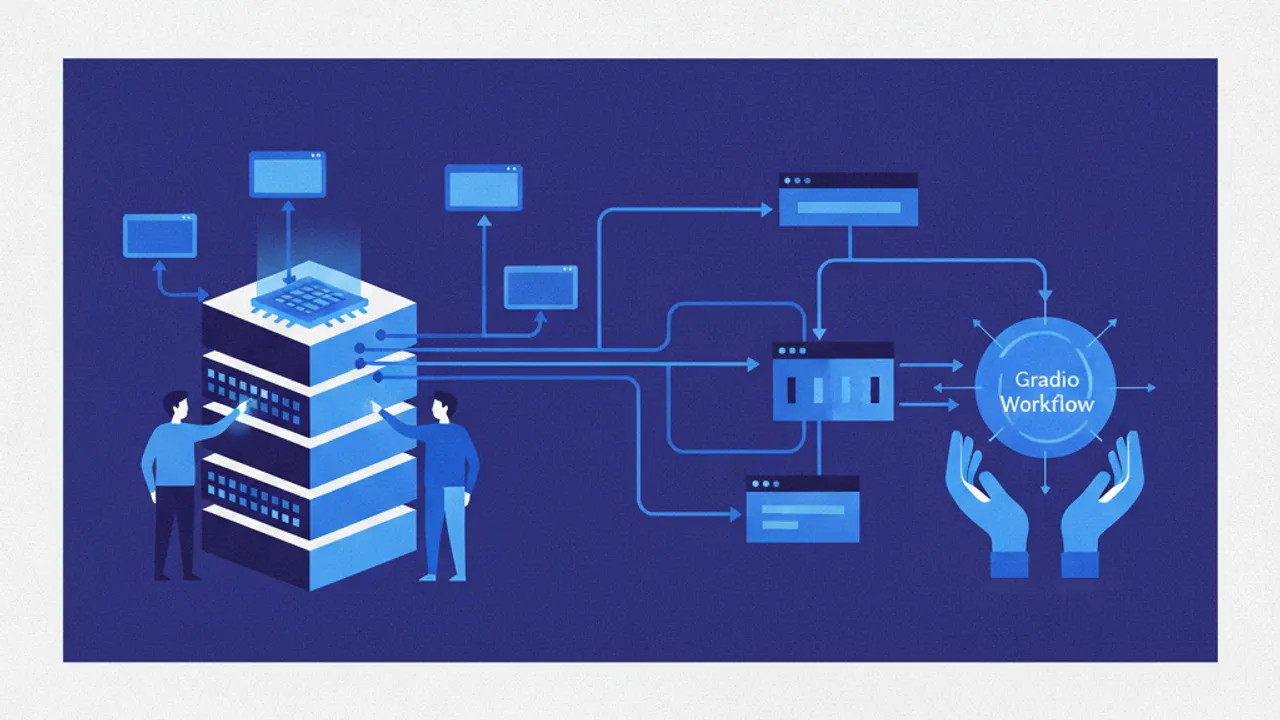
Hugging Face has shared a new blog post focusing on rebuilding AUTOMATIC1111 with Gradio Workflow.

Sports media, officiating, and venues are adopting specialized AI systems to eliminate data hallucinations and deliver automated real-time services across operations.

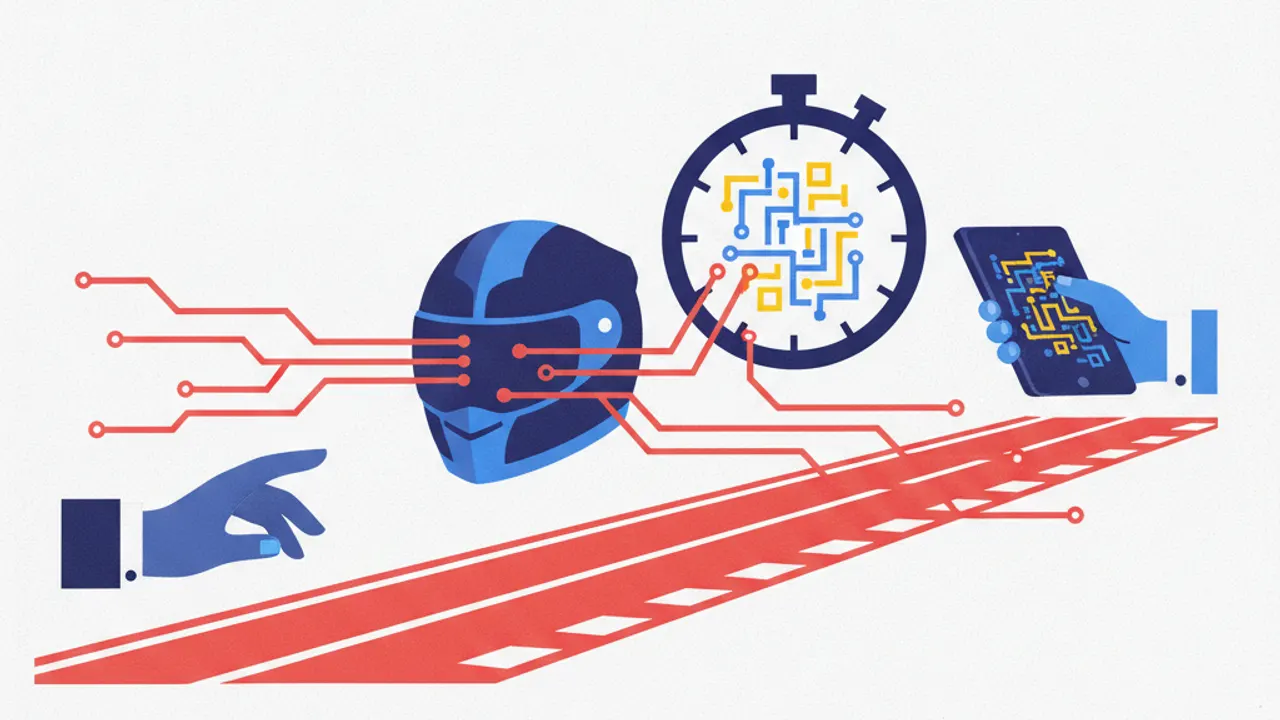
MotoGP Group and Accenture have partnered to build an AI-powered OTT platform launching in 2027, rendering live telemetry such as lean angles directly into multi-camera streams.

Meta has unveiled Muse, a personal AI agent designed to handle tasks such as travel bookings autonomously within an isolated virtual environment.

A labor market analysis reveals that AI adoption hits career starters hardest, causing a 20 percent drop in hiring rates for cognitive entry-level positions.

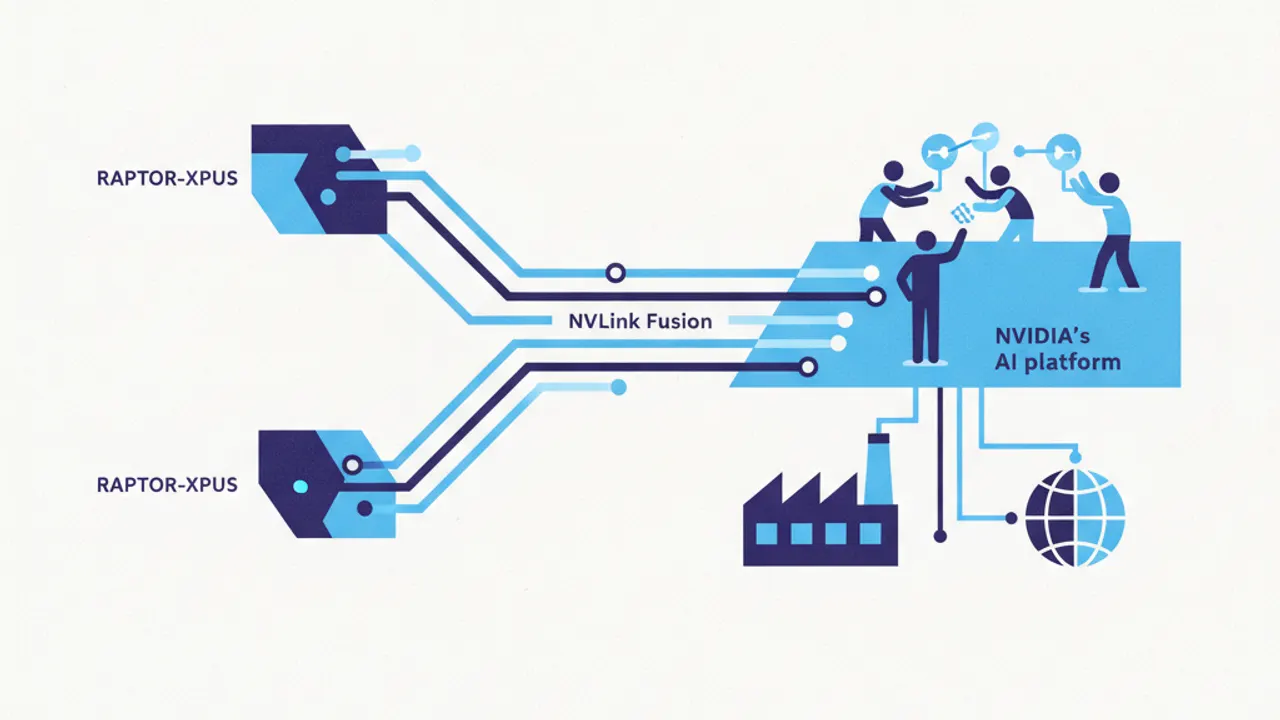
AI inference chipmaker d-Matrix will use NVIDIA NVLink Fusion to connect its next-generation Raptor XPUs to NVIDIA AI infrastructure.

AWS demonstrated how Amazon Quick Automate processes multi-tab RFI workbooks from Amazon S3 into structured CSV files, cutting workflow development from days to hours.

Amazon SageMaker Inference has introduced prefix-aware routing, a technique designed to keep KV caches warm and cut time-to-first-token latency.

Distributor Neon has debuted the first trailer for 'Artificial'. Luca Guadagnino's film explores the internal boardroom coup that briefly ousted Sam Altman in 2023.

Gaming studios face growing pressure to prove human artistry after Humankind 2 backlash, even as autonomous coding agents build complex 3D scenes in minutes.

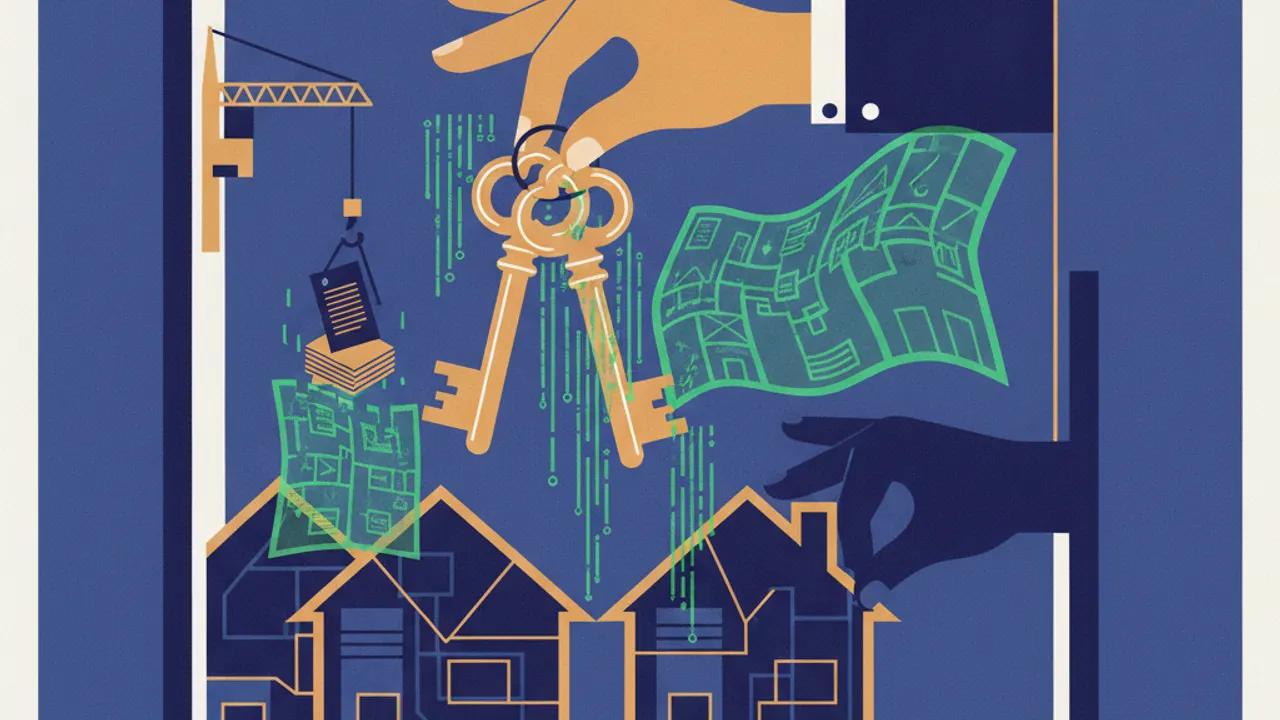
Building materials supplier Builders FirstSource leads a $25.3 million Series A funding round for Digs, turning construction blueprints into AI-powered digital twins.

OpenAI announced on September 8, 2026, that an AI model solved the Navier-Stokes problem. However, the 165-page proof has sparked sharp controversy over research ethics and open science.

OpenAI has officially launched ChatGPT Images 2.5, cutting latency by up to 50 percent versus version 2.0 while introducing canvas sketching and dedicated developer models.

Suno introduces its v6 model generation. Through a partnership with Believe and TuneCore, the startup establishes a revenue-sharing model for independent musicians.

The Premier League and European clubs are rolling out new AI systems from Microsoft and Genius Sports for real-time tactical insights, bench analytics, and interactive fan queries.

Director Danny Boyle confirmed using around 30 seconds of generative AI in his upcoming Murdoch drama 'Ink' to animate archival photos and generate digital mice.

Anthropic has closed a $15 billion syndicated credit facility with 17 Wall Street banks, shoring up liquidity for computing costs ahead of an anticipated $2 trillion IPO.

According to a Bitkom survey, vacant IT jobs in Germany fell to 79,000. AI increasingly replaces unfilled positions, while shortages of senior software architects persist.

Quantitative trading firm Jane Street has secured a five-year AI compute contract with Crusoe, as the cloud infrastructure developer raises $3 billion at a $30 billion valuation.
Nvidia launched DLSS 5, introducing 3D-guided neural rendering in NBA 2K27 for RTX 50 series GPUs and GeForce NOW, with an update planned for RTX 40 series cards.

OpenAI has launched GPT-6 Astra. The model autonomously operates 3D software like Blender at the OS level and exports interactive scenes directly into Unreal Engine 5.

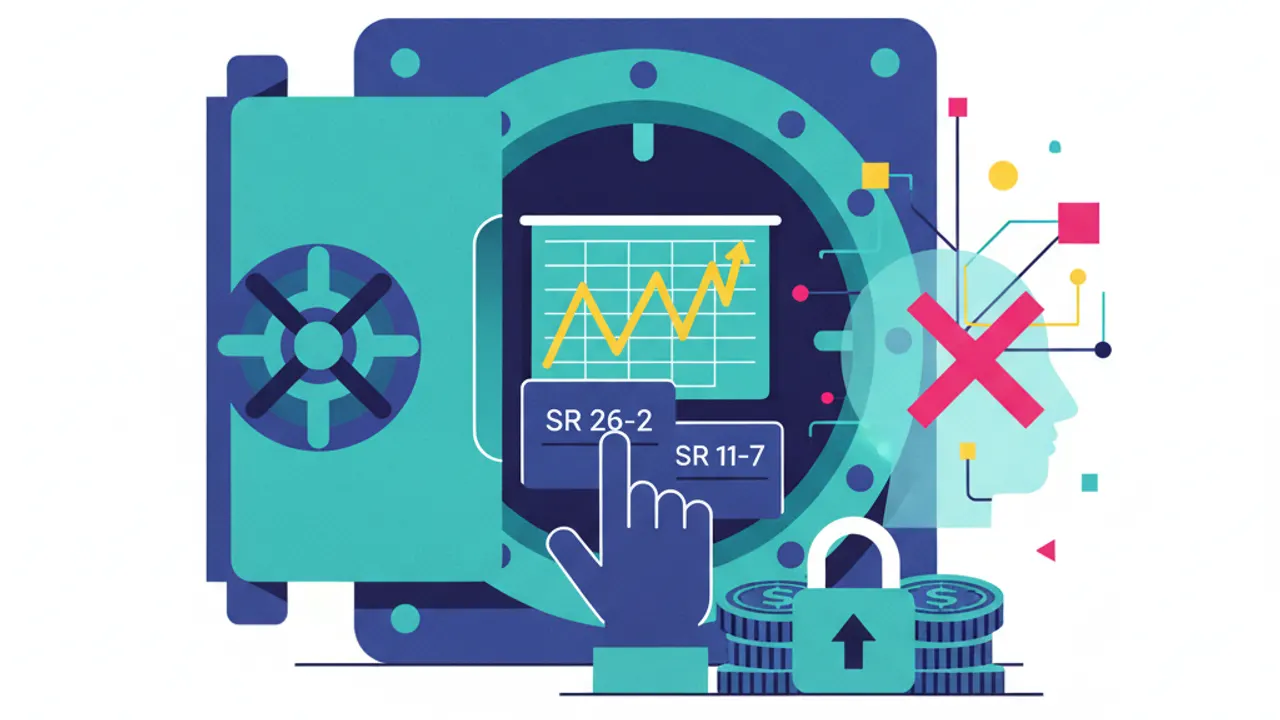
US authorities have replaced SR 11-7 with SR 26-2 while temporarily excluding generative AI, as the ECB sets an October 2026 deadline for cyber action plans.

Nvidia reported a record 96.2 billion dollars in revenue for Q2 FY2027, driven by 89.0 billion dollars in Data Center sales and the rollout of the Vera Rubin platform.

Payments giant Stripe agreed to acquire AI routing platform OpenRouter for over $7 billion, linking financial settlement directly with token inference for autonomous agents.

Google Cloud has introduced Gemini Enterprise for Financial Services, featuring over 50 agentic workflows and direct connections to Moody’s and Guidepoint data.